Real-Time Telemetry Data Refines Balance Adjustments in Strategy Titles for Multiple Console Generations
Zara Patterson · Nov 6, 2026
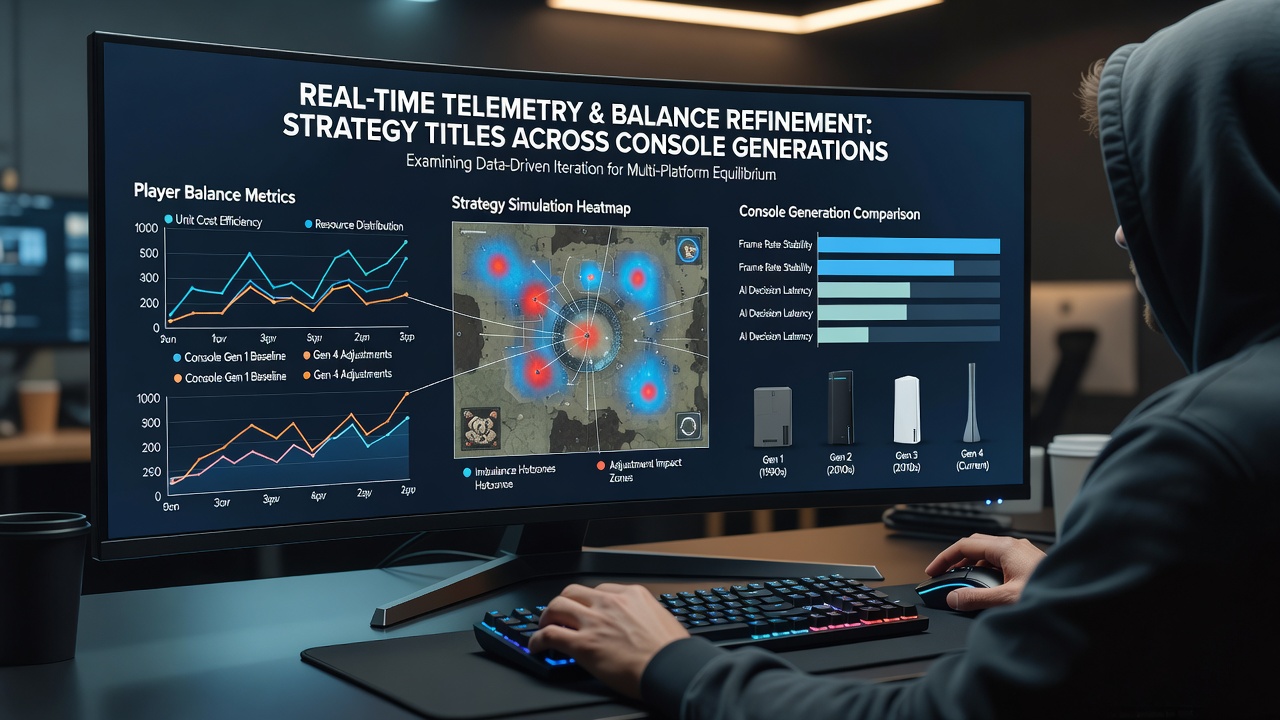
Real-Time Telemetry Data Refines Balance Adjustments in Strategy Titles for Multiple Console Generations
Strategy titles developed across console generations have long relied on player performance metrics to maintain competitive fairness, and real-time telemetry now supplies developers with continuous streams of data on unit interactions, resource flows, and match outcomes that feed directly into iterative balance patches. Teams collect this information through embedded logging systems in games running on hardware from earlier PlayStation and Xbox eras through to current models, allowing adjustments that account for differences in processing power, input latency, and network conditions inherent to each platform. Data indicates that studios track thousands of variables per session, including movement paths, ability usage frequencies, and win-rate distributions segmented by console generation.
Telemetry Collection Across Hardware Eras
Engineers integrate telemetry hooks into strategy engines at the code level, capturing events at millisecond intervals while games run on varied console architectures, and this approach reveals patterns such as slower pathfinding calculations on older hardware that can skew match results when players transition between generations. Research from industry reports shows that aggregated datasets from titles supporting backward compatibility often highlight discrepancies in AI decision timing, prompting targeted tweaks to unit speeds or cooldowns that normalize play across devices. Observers note that these systems operate without interrupting gameplay, transmitting anonymized packets to central servers where algorithms process trends and flag outliers for review by balance teams.
One study revealed that telemetry volumes grew substantially after multi-generation support became standard, with developers processing terabytes of match data weekly to identify imbalances that only surface under specific hardware constraints. The reality is that older consoles may introduce input polling differences that affect precise control in real-time strategy scenarios, while newer systems enable higher frame rates that alter perceived responsiveness, and telemetry bridges these gaps by quantifying their impact on player statistics.
Refinement Processes in Practice
Balance adjustments begin when telemetry dashboards surface statistical deviations, such as a particular faction achieving higher victory percentages on mid-generation hardware due to optimized rendering pipelines, and teams respond by recalibrating parameters like attack ranges or production costs before deploying updates through console-specific certification channels. According to figures from the Entertainment Software Association, cross-platform strategy releases in recent years have incorporated telemetry-driven changes at rates exceeding prior development cycles, with patches addressing an average of several dozen issues per major update cycle. What's interesting is how these refinements maintain consistency for players who own multiple console versions of the same title, since data correlation tools align metrics across hardware profiles.
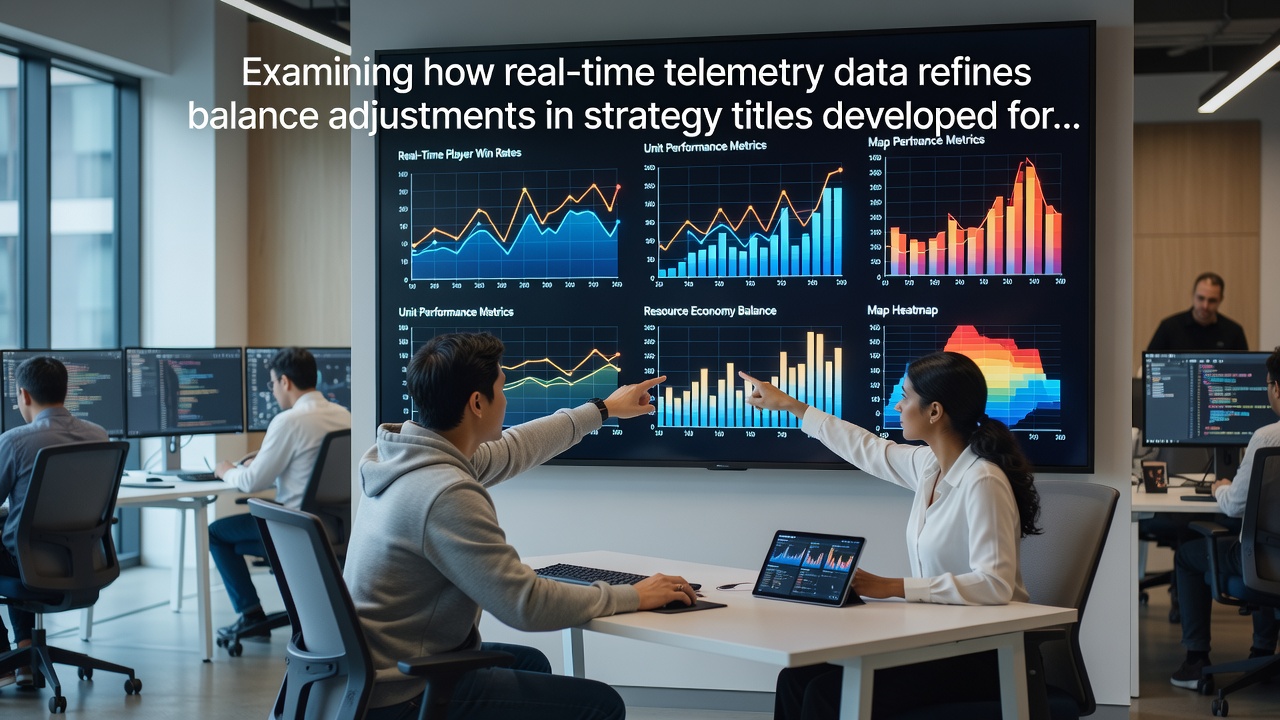
In November 2026, presentations at industry events highlighted telemetry applications in titles that span console lines, where live data streams informed mid-season adjustments to map layouts and faction synergies based on performance splits between legacy and current-generation systems. Researchers discovered that combining telemetry with version-specific benchmarks helps isolate whether an imbalance stems from design choices or hardware variances, leading to more precise interventions that preserve intended strategic depth. And yet the process requires careful segmentation of datasets to avoid conflating regional playstyles with technical factors, since global player pools contribute to the same repositories.
Challenges in Multi-Generation Development
Developers face hurdles when telemetry indicates that network synchronization behaves differently across console generations because older models may handle packet prioritization with less efficiency during large-scale battles involving dozens of units. Studies found that such variations can inflate error rates in cooperative strategy modes, prompting code optimizations that equalize experience without requiring separate balance branches for each platform. Those who've examined these workflows understand that maintaining a single rule set demands constant validation against telemetry snapshots taken at regular intervals, ensuring that patches rolled out simultaneously reach all supported hardware without introducing new disparities.
Academic sources, including reports from European research consortia, underscore how telemetry integration has streamlined the identification of edge cases that emerge only after prolonged play across hardware revisions. The ball's in the developers' court when data reveals persistent trends, and they must weigh the frequency of adjustments against community expectations for stability in long-running strategy series. Turns out that automated flagging systems now prioritize high-impact changes, filtering noise from the constant influx of session logs collected from millions of active players.
Conclusion
Telemetry continues to serve as a core mechanism for refining balance in strategy titles that span console generations, supplying objective metrics that guide adjustments to mechanics while respecting the technical realities of each hardware iteration. Data from ongoing projects demonstrates measurable improvements in cross-platform fairness as teams refine their collection and analysis pipelines. External links to resources like those from the Interactive Software Federation of Europe provide additional context on industry standards for data handling in game development.